← Back to Blog
By SANDA
Sustainable Farming: How We Protect the Land That Feeds Us
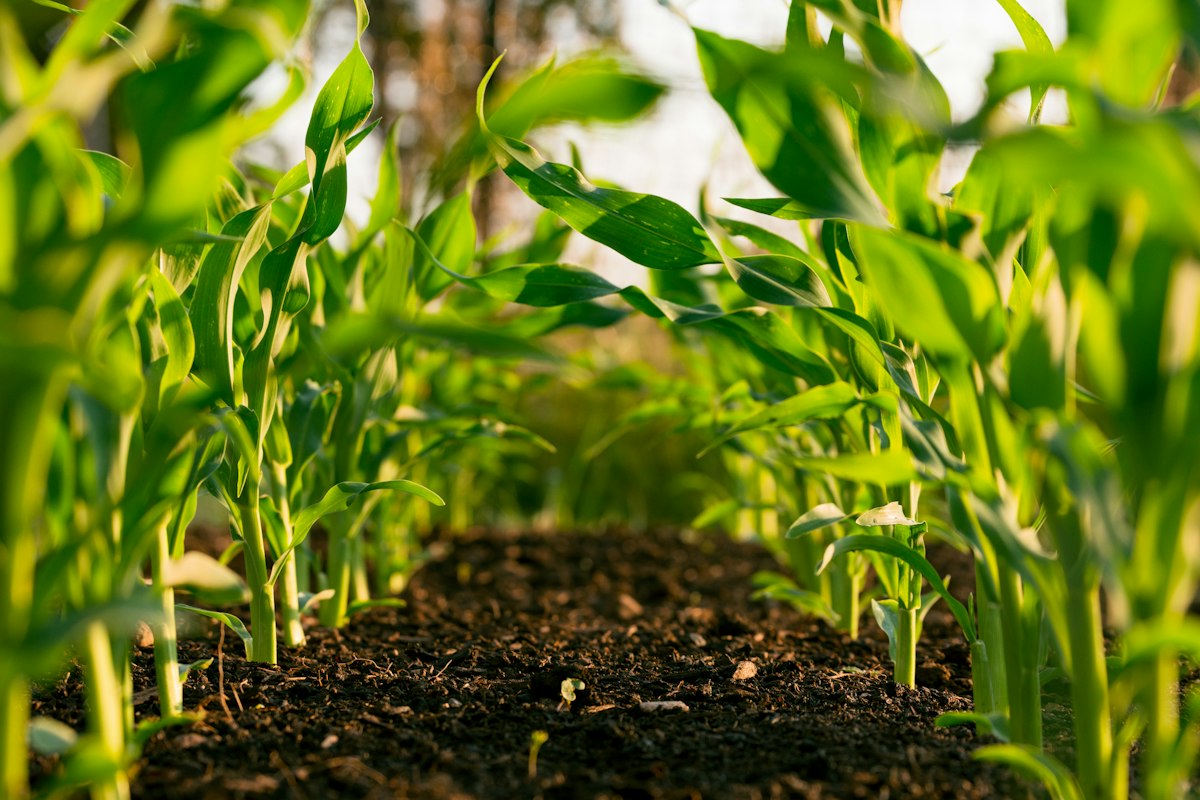
The phrase "sustainable farming" is used a lot these days — often without much substance behind it. At SANDA we treat sustainability as a set of concrete practices, measured every season, because our long-term business depends on the land staying productive.
Here are five practices we insist on with our partner farms:
1. **Drip irrigation.** Egypt is a water-scarce country. Drip systems deliver water directly to plant roots and cut consumption by 40–60% compared to flood irrigation, while also reducing weed growth and fertilizer runoff.
2. **Integrated Pest Management (IPM).** Instead of routine pesticide spraying, we monitor pest populations, use beneficial insects, rotate crops, and spray only when necessary — and with products that meet EU residue limits.
3. **Soil health.** Organic matter is added through composting of crop residues. Cover crops are planted in fallow periods to prevent erosion and fix nitrogen naturally, reducing synthetic fertilizer needs.
4. **Crop rotation.** No field grows the same crop two seasons in a row. Rotation breaks pest life cycles, restores soil nutrients, and produces better yields over time.
5. **Worker welfare.** Fair wages, proper housing during peak harvest, safety training, and access to healthcare are non-negotiable. GlobalG.A.P GRASP audits verify these practices.
We also track energy use at our processing facilities. Our IQF tunnels are among the most energy-efficient available, and we are gradually installing solar panels on warehouse roofs to offset part of our electricity consumption.
Sustainability is not optional — it is the only way Egyptian agriculture, and our business, remains viable for decades to come.
Here are five practices we insist on with our partner farms:
1. **Drip irrigation.** Egypt is a water-scarce country. Drip systems deliver water directly to plant roots and cut consumption by 40–60% compared to flood irrigation, while also reducing weed growth and fertilizer runoff.
2. **Integrated Pest Management (IPM).** Instead of routine pesticide spraying, we monitor pest populations, use beneficial insects, rotate crops, and spray only when necessary — and with products that meet EU residue limits.
3. **Soil health.** Organic matter is added through composting of crop residues. Cover crops are planted in fallow periods to prevent erosion and fix nitrogen naturally, reducing synthetic fertilizer needs.
4. **Crop rotation.** No field grows the same crop two seasons in a row. Rotation breaks pest life cycles, restores soil nutrients, and produces better yields over time.
5. **Worker welfare.** Fair wages, proper housing during peak harvest, safety training, and access to healthcare are non-negotiable. GlobalG.A.P GRASP audits verify these practices.
We also track energy use at our processing facilities. Our IQF tunnels are among the most energy-efficient available, and we are gradually installing solar panels on warehouse roofs to offset part of our electricity consumption.
Sustainability is not optional — it is the only way Egyptian agriculture, and our business, remains viable for decades to come.