← Back to Blog
By SANDA
Why Egyptian Frozen Produce Leads Global Markets
Egypt has been an agricultural powerhouse for more than 5,000 years — and today it remains one of the most competitive sources of frozen fruits and vegetables in the world. Here is why international buyers increasingly source from Egypt.
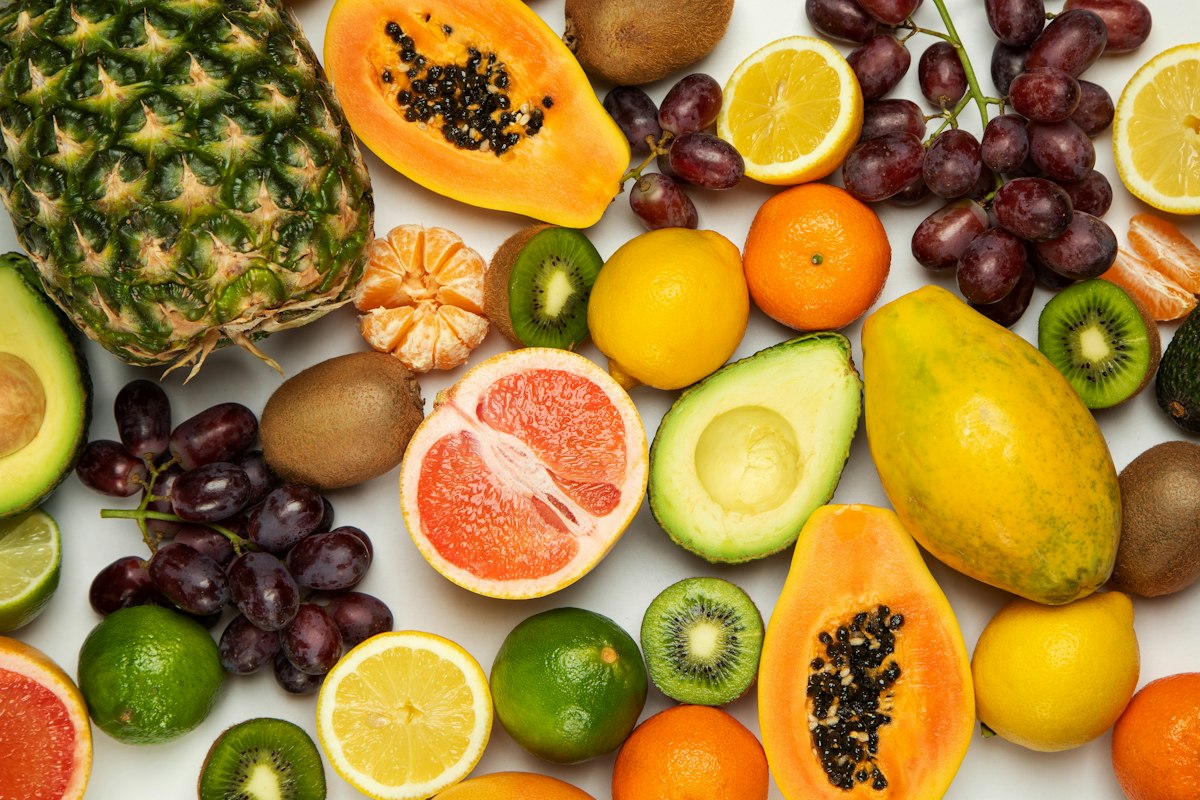
The Nile delta and the land around it offer some of the most fertile soil on the planet. Combined with over 300 days of sunshine per year and a moderate climate that avoids extreme frost, Egyptian farms can harvest multiple crops annually — from strawberries and artichokes in winter to mangoes, grapes, and guavas in summer. This year-round supply means buyers get fresh raw material almost every month, not just a short seasonal window.
Beyond geography, Egyptian food processors have invested heavily in modern IQF facilities that meet international food safety standards. HACCP, ISO 22000, GlobalG.A.P, and FSSC certifications are now standard for serious exporters — not the exception.
Price competitiveness is another factor. Lower labor and energy costs, combined with direct farm-to-factory sourcing, allow Egyptian producers to offer quality that rivals European output at a significantly better price point.
Finally, Egypt's strategic location — at the crossroads of Africa, Europe, and Asia, with direct access to the Mediterranean, Red Sea, and Suez Canal — makes logistics faster and cheaper to most major destination markets.
At SANDA, we leverage every one of these advantages: fertile land, year-round harvests, certified facilities, and direct shipping routes — to deliver premium Egyptian produce to more than 20 countries.
The Nile delta and the land around it offer some of the most fertile soil on the planet. Combined with over 300 days of sunshine per year and a moderate climate that avoids extreme frost, Egyptian farms can harvest multiple crops annually — from strawberries and artichokes in winter to mangoes, grapes, and guavas in summer. This year-round supply means buyers get fresh raw material almost every month, not just a short seasonal window.
Beyond geography, Egyptian food processors have invested heavily in modern IQF facilities that meet international food safety standards. HACCP, ISO 22000, GlobalG.A.P, and FSSC certifications are now standard for serious exporters — not the exception.
Price competitiveness is another factor. Lower labor and energy costs, combined with direct farm-to-factory sourcing, allow Egyptian producers to offer quality that rivals European output at a significantly better price point.
Finally, Egypt's strategic location — at the crossroads of Africa, Europe, and Asia, with direct access to the Mediterranean, Red Sea, and Suez Canal — makes logistics faster and cheaper to most major destination markets.
At SANDA, we leverage every one of these advantages: fertile land, year-round harvests, certified facilities, and direct shipping routes — to deliver premium Egyptian produce to more than 20 countries.